


Cryptocurrency has emerged as a popular and sometimes volatile investment option in recent years. While it offers potential high returns, the risks involved are significant. If you're considering cryptocurrency as part of your investment portfolio, it's important to understand how it works, its potential for growth, and the challenges it presents.
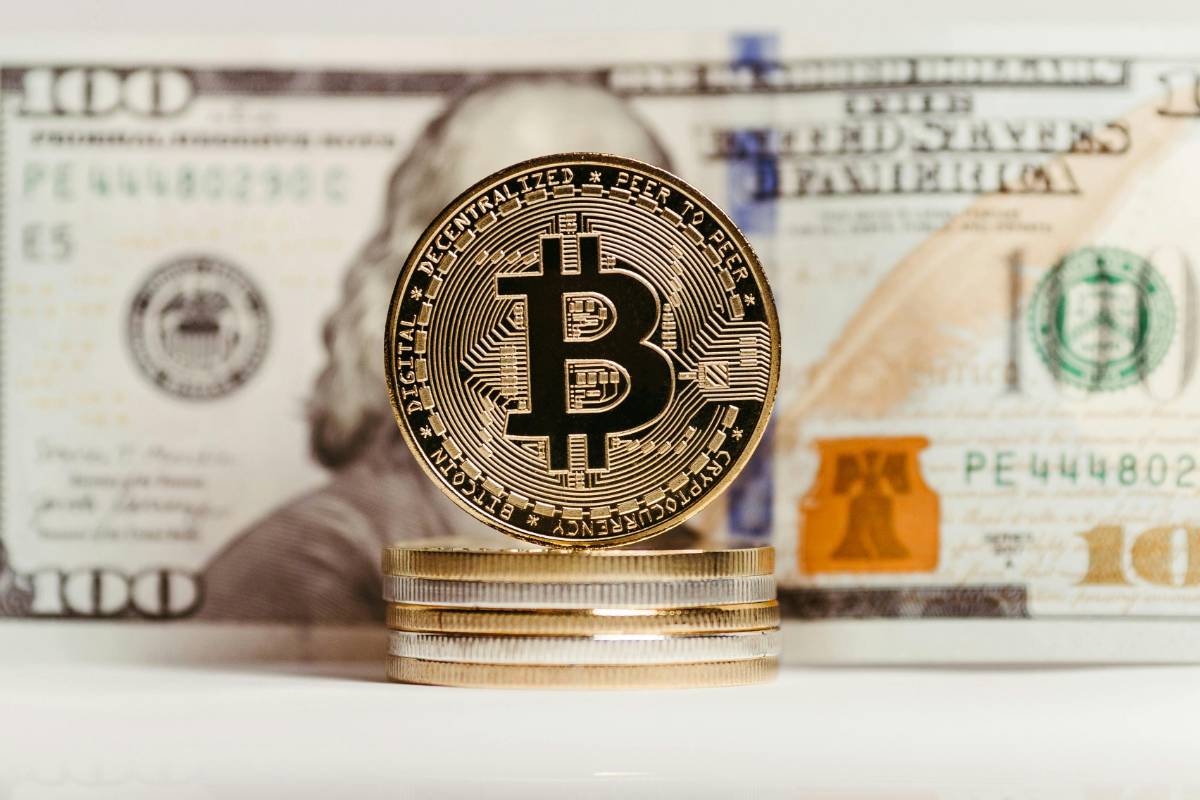
Cryptocurrency is a type of digital or virtual currency that uses cryptography for security. Unlike traditional currencies issued by governments (such as the US dollar or the euro), cryptocurrencies are decentralized and typically rely on blockchain technology to enable secure and transparent transactions. Some of the most well-known cryptocurrencies include Bitcoin, Ethereum, and Litecoin, but thousands of smaller cryptocurrencies, or altcoins, are also available.
Potential for High Returns: Cryptocurrencies are known for their price volatility, which can offer significant returns in a short period of time. For early investors, the gains have been substantial, especially with Bitcoin and Ethereum.
Diversification: Cryptocurrency can be a useful tool for diversifying an investment portfolio, especially for those already heavily invested in traditional stocks, bonds, and real estate. It can provide exposure to a different asset class.
Accessibility: Cryptocurrencies are accessible globally and can be traded 24/7, unlike traditional stock markets, which operate within specific hours. This flexibility makes it appealing to investors looking for non-traditional market hours.

Price Volatility: The biggest risk associated with cryptocurrency is its extreme volatility. Prices can surge or plummet in a matter of hours, driven by market sentiment, regulatory changes, and technological advancements.
Regulatory Uncertainty: Governments around the world are still figuring out how to regulate cryptocurrency. Some countries have imposed bans or restrictions on its use, and others may follow suit, which could impact the value and legality of cryptocurrencies.
Security Concerns: While blockchain technology is secure, cryptocurrency exchanges and wallets are vulnerable to hacking. Investors may lose their holdings if they do not take proper precautions, such as using secure wallets and enabling two-factor authentication.
If you're interested in getting started with cryptocurrency, here are some basic steps:
Choose a Cryptocurrency Exchange: To buy, sell, or trade cryptocurrencies, you need to use a cryptocurrency exchange like Coinbase, Binance, or Kraken. These platforms allow you to create an account, deposit funds, and execute trades.
Set Up a Wallet: After purchasing cryptocurrency, you should store it in a secure wallet. Wallets come in two types: hot wallets (online) and cold wallets (offline). Cold wallets are safer for long-term storage since they are less vulnerable to hacks.
Start Small: Given the risks, it's best to start small and gradually increase your exposure to cryptocurrency as you become more familiar with the market. Only invest what you can afford to lose.
Cryptocurrency can be a good investment for those who are willing to accept the risks and are looking for diversification. It offers the potential for high returns, but it is not for the faint of heart. Like any investment, it’s important to do thorough research, understand the market dynamics, and never invest more than you can afford to lose. For long-term investors, cryptocurrencies may become more stable as they mature, but in the short term, they remain highly speculative.
Cryptocurrency is an exciting and dynamic market with both significant opportunities and risks. If you decide to invest in cryptocurrency, ensure that you have a solid understanding of how it works, the potential benefits, and the challenges it may present. With the right approach and risk management strategies, cryptocurrency can be a valuable addition to your investment portfolio.

Renovating your home can significantly increase its value, but not all upgrades offer the same return on investment. Knowing which renovations add the most value can help you make smarter decisions and get the best results for your budget.


Buying car insurance in the US can be confusing, especially with so many options. Here’s what you need to know before making a purchase decision.


Choosing the right insurance policy can be challenging, but it’s essential for financial security. From health and life to auto and home insurance, this guide will help you understand what to consider.

While famous destinations often draw crowds, there's a world of hidden gems waiting to be discovered. From remote islands to quaint villages and breathtaking natural wonders, these unique travel spots offer unforgettable experiences without the usual hustle and bustle.

Effective budgeting is crucial for financial success. By implementing the right budgeting method, you can save more money and achieve your financial goals faster.


Choosing between luxury and fast fashion depends on factors like quality, sustainability, and long-term value. Understanding the key differences can help you make informed shopping decisions that align with your style and budget.