

Renovating your home can significantly increase its value, but not all upgrades offer the same return on investment. Knowing which renovations add the most value can help you make smarter decisions and get the best results for your budget.

First impressions matter, and the exterior of your home sets the stage. Improving curb appeal with a fresh coat of paint, new landscaping, or updated lighting can increase your home’s value and attract more buyers if you decide to sell.
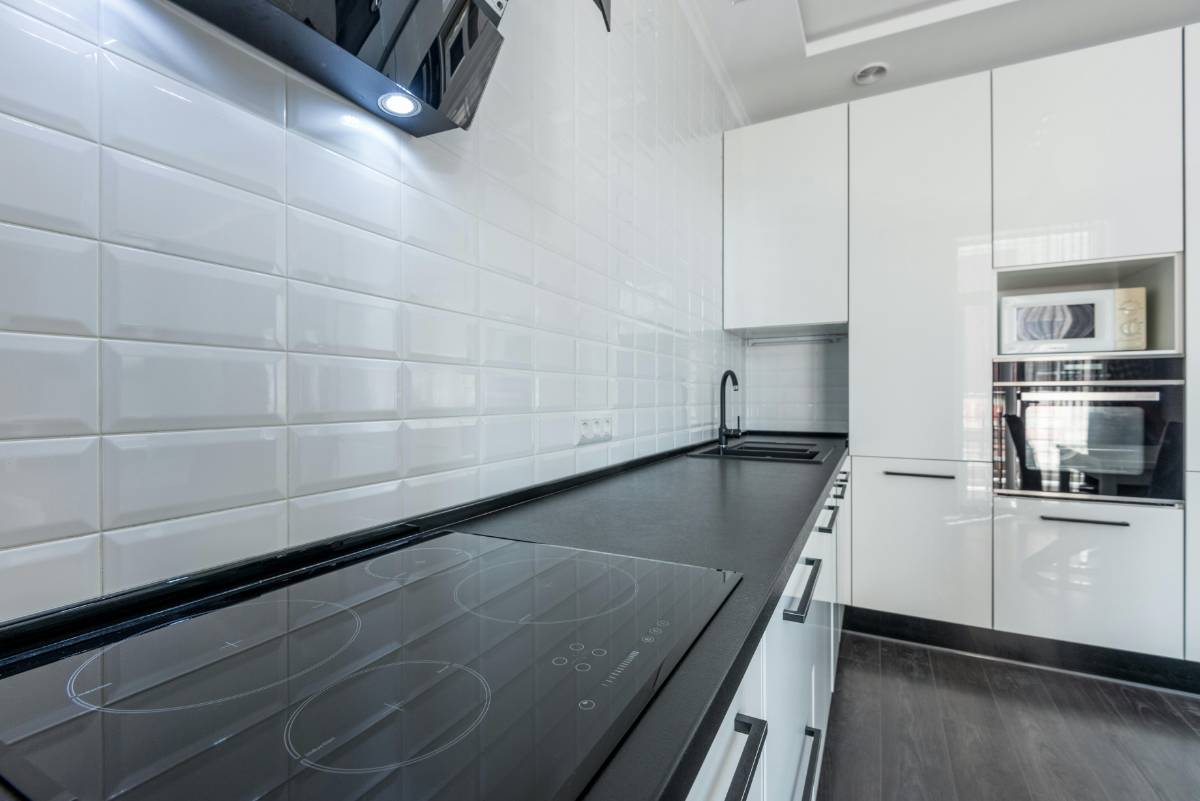
The kitchen is often seen as the heart of the home, making it one of the best areas to invest in. Consider modernizing appliances, replacing countertops, or updating cabinetry to create a more functional and appealing space. Even minor kitchen updates can have a positive impact on your home's overall value.
Bathrooms are another high-impact area for renovations. Upgrading fixtures, adding new tile, or improving lighting can give bathrooms a fresh, luxurious feel. Simple changes like adding a modern vanity or installing a rain shower can add both comfort and value.

Homebuyers are increasingly interested in energy efficiency, so consider adding features like new windows, better insulation, or energy-efficient appliances. Not only can these upgrades save money on utility bills, but they can also make your home more attractive to eco-conscious buyers.
Adding livable square footage, like finishing a basement or converting an attic, can significantly boost your home’s value. These spaces offer flexibility for potential buyers, serving as home offices, guest rooms, or entertainment areas.
Renovating your home for maximum value requires strategic planning and smart investments. By focusing on high-impact areas like curb appeal, kitchens, bathrooms, and energy efficiency, you can increase your home’s appeal and resale potential. Whether you're planning to sell or simply enhance your living space, these renovations can help you achieve your goals.

Experience the Best of Japan: Mount Fuji Adventure & Thrilling Shinkansen Journey Await!


As the world continues to open up, 2024 presents a fantastic opportunity to explore new destinations. Whether you're looking for stunning landscapes, vibrant cultures, or relaxing retreats, the following destinations should be on your travel radar.

A good credit score is essential for securing loans, getting better interest rates, and improving financial opportunities. Understanding how to boost your score quickly can help you achieve your financial goals sooner.


1025a.jpg

Co-living spaces are becoming an increasingly popular housing option, especially among young professionals and digital nomads. Offering affordability, community, and convenience, co-living could be the future of urban housing. Here’s what you need to know about this growing trend.

Denim is a timeless wardrobe staple, but finding the perfect fit can be tricky. Whether you prefer skinny jeans, flares, or relaxed styles, choosing the right denim fit can make a huge difference in how you look and feel. Here’s a guide to help you find the perfect denim fit for your body type and style preferences.