


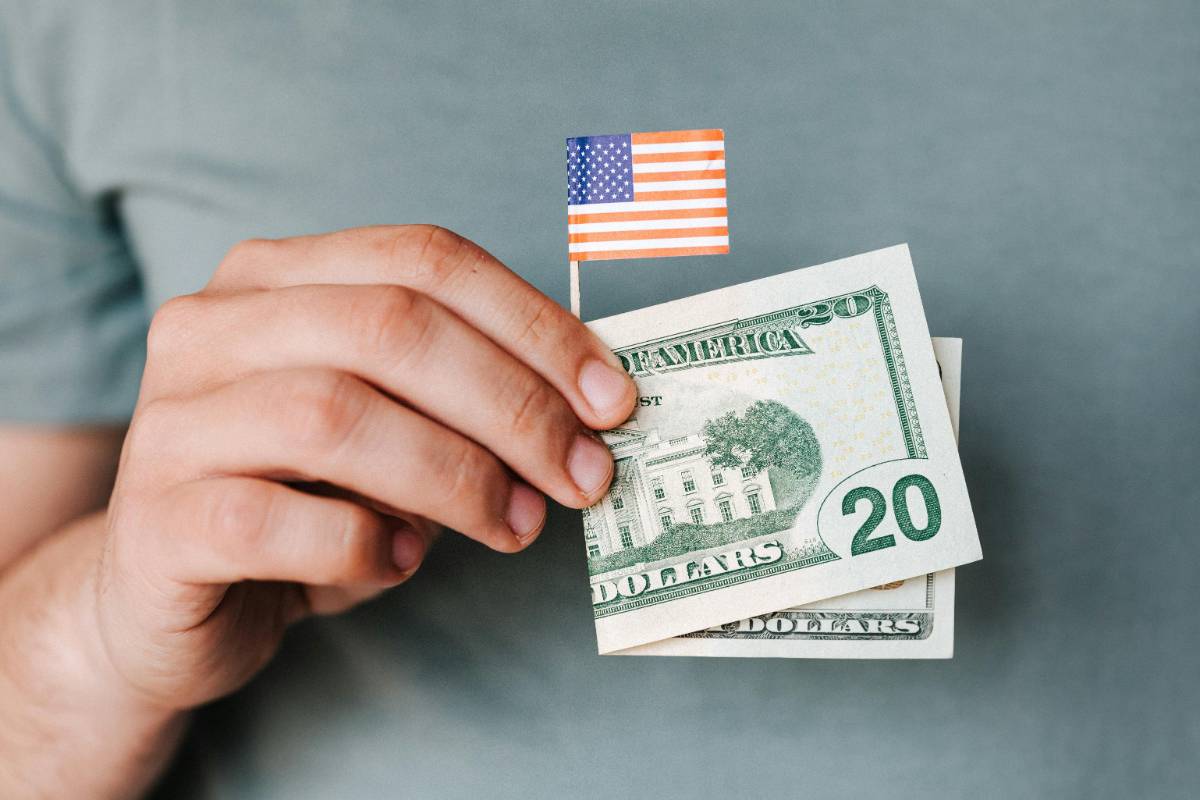
The US banking system is a cornerstone of the country's economy, affecting every aspect of financial life. This guide explains how it works and its importance for consumers.
Overview: The Federal Reserve, or Fed, regulates the US banking system, setting policies to control inflation and ensure stability.
Key Points:
Interest Rates: The Fed’s rate changes affect borrowing costs across the economy.
Bank Supervision: The Fed monitors banks to maintain financial health and prevent crises.

Overview: There are different types of banks in the US, each serving unique purposes, including commercial, investment, and credit unions.
Key Points:
Commercial Banks: Provide essential services like checking and savings accounts.
Credit Unions: Offer similar services but are member-owned, often providing lower fees.

Overview: Banks facilitate essential financial activities such as managing deposits, providing loans, and helping customers build credit.
Key Points:
Credit Access: Banks provide access to loans for cars, homes, and personal expenses.
Payment Processing: Banks facilitate payments for consumers and businesses alike.

Overview: The Federal Deposit Insurance Corporation (FDIC) protects depositors by insuring their accounts up to $250,000.
Key Points:
Deposit Security: FDIC insurance ensures depositor funds are safe in case of a bank failure.
Coverage Limits: Understand the coverage limits and how they apply to joint accounts.
Overview: Digital banking is transforming traditional services with online accounts, mobile payments, and fintech innovations.
Key Points:
Convenience: Digital banking offers 24/7 account access and mobile transactions.
Security Measures: Banks invest in cybersecurity to protect against online fraud.
The US banking system plays a crucial role in economic growth and personal financial stability. Understanding how it works can help you make informed decisions about your money and financial future.

In recent years, the fashion industry has faced increasing scrutiny over its environmental impact, leading to a surge in demand for sustainable alternatives. One of the most promising contenders in this eco-conscious movement is bamboo clothing, particularly bamboo pajamas, which are not only comfortable but also have a significantly lower ecological footprint compared to traditional fabrics. The bamboo clothing market is projected to grow from approximately $1.3 billion in 2022 to $3 billion by 2032, with a compound annual growth rate (CAGR) of 9.1%.


Reaching major financial milestones in life, such as buying a home, starting a family, or saving for retirement, is a significant achievement. However, these milestones require careful planning and strategy to ensure they don’t become overwhelming. Whether you're in your twenties or forties, understanding how to plan for these key events can help you achieve financial success and peace of mind.


Mixing and matching patterns can elevate your style, but it requires a keen eye for balance. Understanding how to pair prints effectively can make your outfits look effortlessly stylish and bold.


As we move into 2024, the real estate industry is poised for transformation. With emerging technologies, shifting market demands, and sustainability becoming a core focus, the landscape is evolving rapidly. Here are the top trends to watch that could shape the future of real estate this year and beyond.

Managing your finances wisely is crucial at every stage of life. Each decade comes with unique financial challenges, and making the wrong moves can impact your future. In this article, we’ll explore common financial mistakes to avoid in your 20s, 30s, and 40s to set yourself up for financial success.

Traveling is more than just visiting new places—it’s about immersing yourself in local cultures, traditions, and ways of life. Cultural immersion allows you to connect with the heart of a destination, offering a richer and more meaningful travel experience. Here are some ways to truly experience local traditions while traveling.