

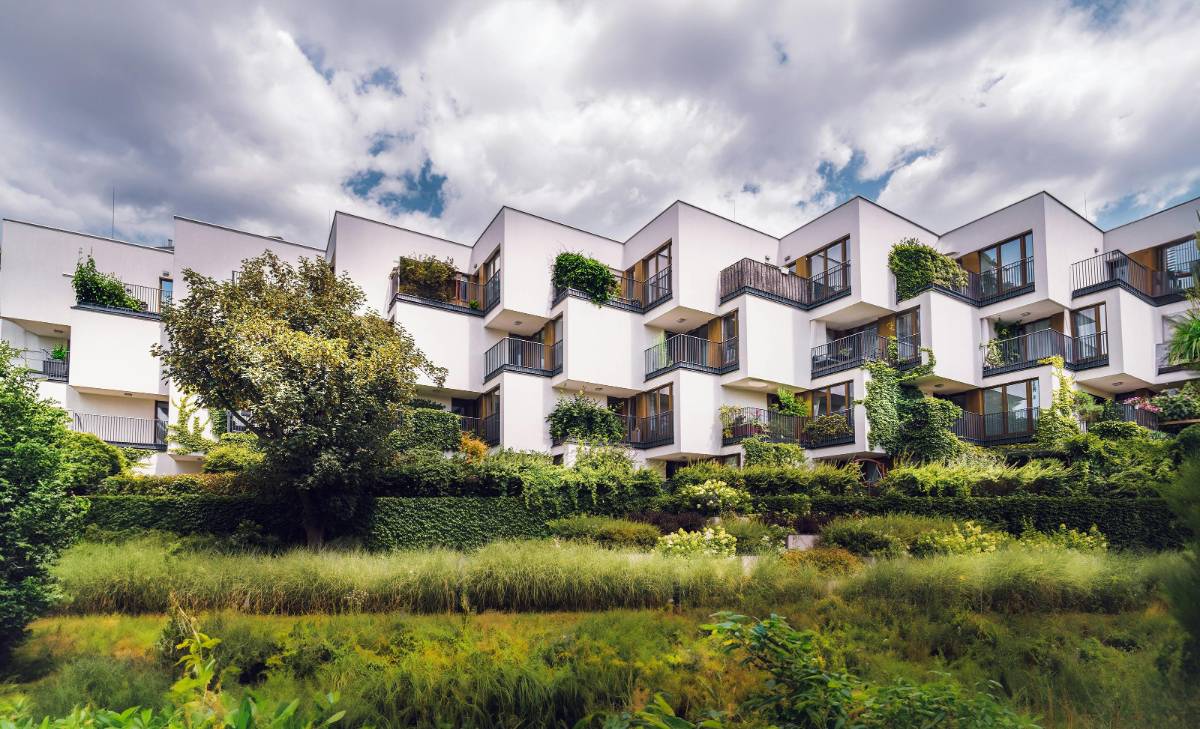
As the world shifts toward more sustainable practices, the real estate industry is no exception. Sustainable real estate development focuses on creating buildings and communities that minimize environmental impact while offering long-term value. In this article, we delve into the key principles of sustainable development in the real estate sector.
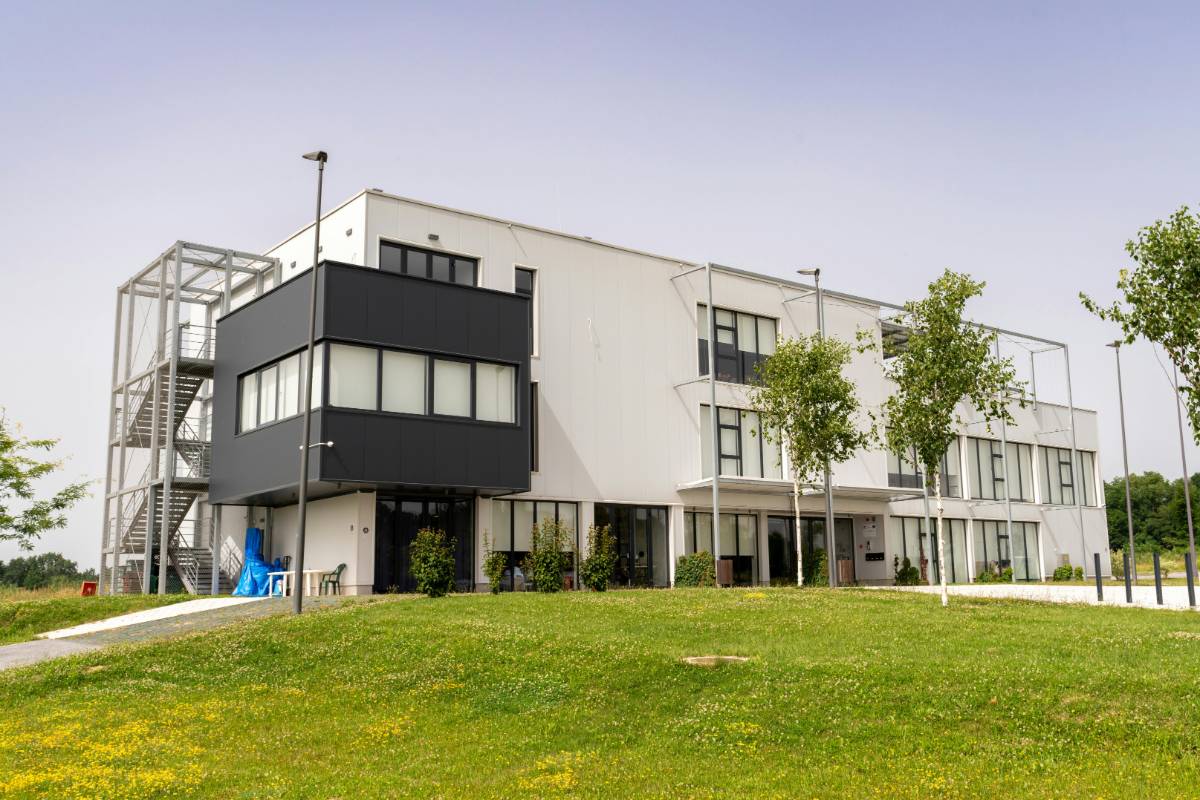
Sustainability in real estate isn't just a trend; it's a necessity. Developers are increasingly incorporating green building practices that conserve resources, reduce carbon emissions, and ensure the health and well-being of occupants.
Energy Efficiency: Sustainable buildings use less energy by incorporating efficient systems such as solar panels, LED lighting, and high-performance insulation.
Long-Term Value: Green buildings are more attractive to buyers and renters due to lower utility costs and better overall environmental performance.
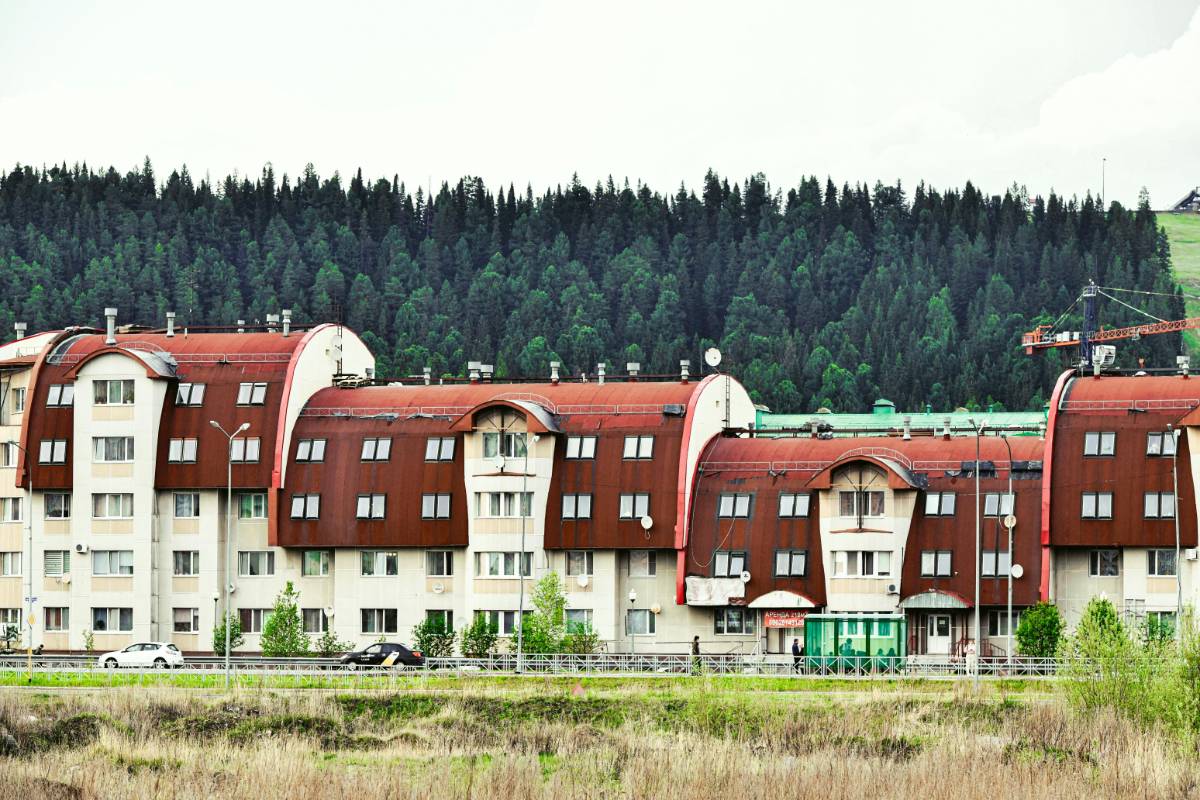
One of the key drivers of sustainable real estate is the use of green building certifications. These certifications recognize buildings that meet specific environmental standards, ensuring that they are energy-efficient and environmentally responsible.
LEED Certification: Leadership in Energy and Environmental Design (LEED) is a widely recognized green building certification system that rewards sustainable construction practices.
BREEAM: The Building Research Establishment Environmental Assessment Method (BREEAM) is another widely used standard for assessing a building's sustainability performance.
A focus on sustainable materials is a core element of green building. Energy-efficient materials like recycled steel, low-emissivity glass, and bamboo flooring help reduce the environmental impact of construction.
Insulation and Glazing: High-quality insulation and energy-efficient windows are key to improving energy performance in buildings.
Sustainable Sourcing: Many developers are opting for locally sourced, sustainable materials that reduce transportation emissions and support local economies.
The integration of renewable energy sources, such as solar, wind, and geothermal, is becoming standard practice in sustainable real estate development.
Solar Panels: Solar energy systems are increasingly being incorporated into building designs, reducing reliance on nonrenewable energy sources.
Geothermal Systems: These systems use the earth's natural heat to provide efficient heating and cooling, significantly lowering energy consumption.
The concept of smart cities is revolutionizing sustainable development. By integrating smart technologies, cities can optimize energy use, reduce waste, and improve the overall quality of life for residents.
IoT Technology: The use of smart devices in homes and buildings can help monitor and reduce energy use, enhancing sustainability.
Sustainable Urban Planning: Smart cities involve careful urban planning that incorporates green spaces, sustainable transport options, and eco-friendly infrastructure.
Sustainable real estate development is no longer optional; it is essential for creating a more eco-friendly future. As developers continue to innovate with green technologies and environmentally responsible practices, the real estate sector will contribute significantly to global sustainability goals.

Packing light is a skill that makes travel easier, saves on baggage fees, and allows you to focus on the adventure rather than lugging around heavy bags. Whether you’re heading to a tropical beach or a snowy mountain, packing efficiently can transform your travel experience. Learning to pack light is not just about reducing weight; it’s about being strategic in what you choose to bring and how you organize it. By following a few key strategies, you can streamline your packing process and enjoy more flexibility and comfort during your travels. Here are some essential tips to pack efficiently for any destination, whether you’re heading out for a weekend getaway, a business trip, or a long vacation.


Layering is an essential skill in building a versatile and stylish wardrobe. Whether it’s for the crisp mornings of fall or the chilly evenings of winter, mastering the art of layering can help you stay comfortable and fashionable throughout the year. Here are some key tips for layering in every season.

In recent years, the concept of the digital nomad has gained immense popularity. More and more people are embracing the idea of working remotely while traveling the world, making it possible to live in different countries without sacrificing their career. Here’s a closer look at the rise of digital nomads and how they are shaping the future of work and travel.


Oscar Piastri’s rapid rise from karting prodigy to Formula 1 sensation is a story packed with passion, persistence, and raw talent. The Australian driver's journey to the pinnacle of motorsport may seem like an overnight success, but it was years in the making, filled with intense training, a series of dominant junior performances, and a headline-grabbing move to McLaren.

Effective budgeting is crucial for financial success. By implementing the right budgeting method, you can save more money and achieve your financial goals faster.

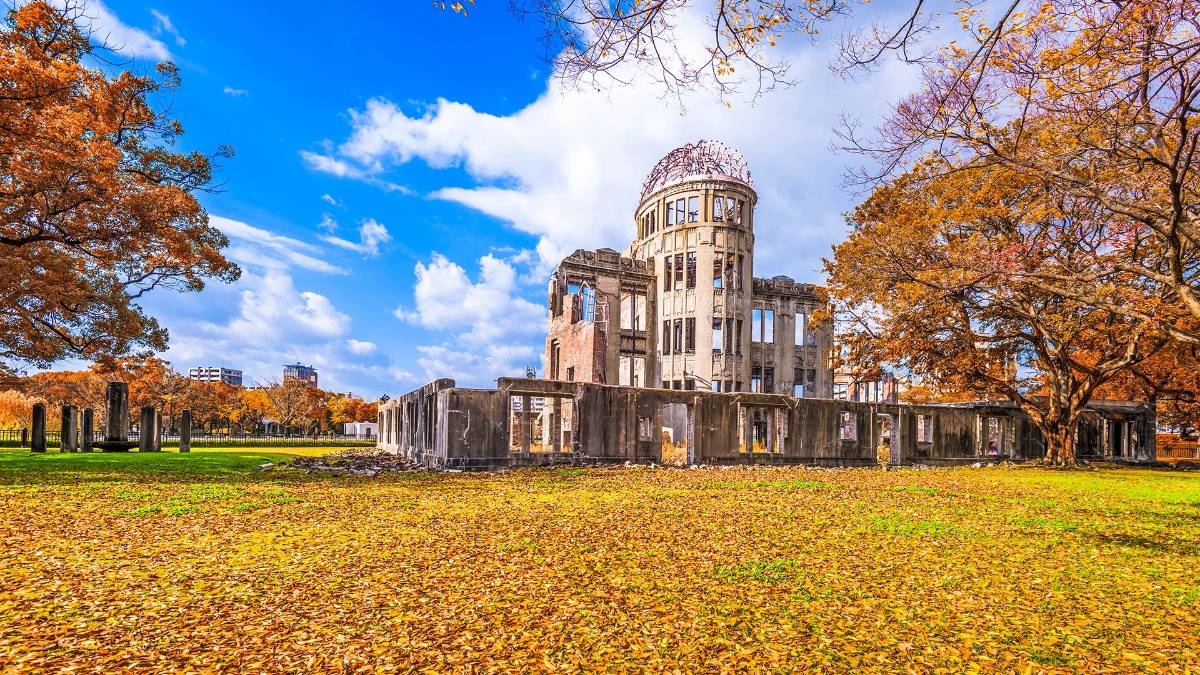
Experience the Best of Japan: Mount Fuji Adventure & Thrilling Shinkansen Journey Await!